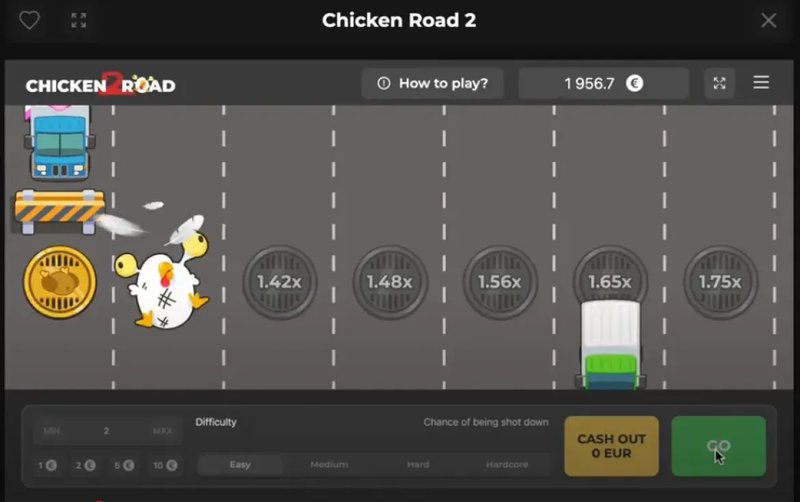
When the Reels Stop, the Numbers Speak
United Kingdom: Picture this: you’re in a dim room, a single screen glowing, and the familiar clatter of a slot machine echoing in your mind. The machine is called Chicken Road, and it’s been a staple for anyone who likes a quick spin and a clear payout window.
 By in
Picture this: you’re in a dim room, a single screen glowing, and the familiar clatter of a slot machine echoing in your mind. The machine is called Chicken Road, and it’s been a staple for anyone who likes a quick spin and a clear payout window. After a week of watching the reels, I started to wonder: how often does it actually pay out, and what does that mean for a long session? That’s where the RTP figures come in.
What the Numbers Really Tell Us
RTP, or Return to Player, is the percentage of all wagered money that a game is expected to return over time. For Chicken Road, the base RTP sits at 95.7%. That means if you bet $1,000 across the machine, you can anticipate getting back roughly $957 over a long stretch. The Chicken Road 2 RTP bumps slightly to 96.1%, giving a modest edge to the second iteration. The Chicken Drop RTP, a variant that adds a bonus round, holds steady at 95.8%. These numbers are not magic; they’re calculated from millions of spins and are a reliable yardstick for comparing slots.
Session Strategy: How Many Spins Before You’re Out
Knowing the RTP helps you plan a session. If you’re playing Chicken Road for a set budget of $200, the expected loss over a single session is about $8.30, given the 95.7% RTP. That’s a small cushion, but it’s real money you’ll likely lose if you keep playing until the bankroll depletes. A practical tip: set a stop‑loss at 10% of your budget. For $200, that’s $20. If you hit that, walk away. The same logic applies to Chicken Road 2, where the higher RTP gives you a slightly larger buffer.
Pros That Stick Around
- Transparency – The RTP values are published openly on the developer’s site, so there’s no mystery.
- Speed – Each spin takes under 2 seconds, letting you play more in a given time frame.
- Bonus Structure – Chicken Drop’s free spins can double your stake without extra cost.
Cons That Bite
RTP isn’t the whole story. The variance on Chicken Road is medium, which means you’ll experience both quick wins and dry stretches. If you’re a casual player who prefers a steady stream of small payouts, the medium variance might feel frustrating. Also, while the RTP is solid, the payout schedule is front‑loaded: the biggest payouts occur early in a session, and the chance of hitting a big win drops after a dozen spins. That can feel like a quick windfall followed by a long lull.
Putting It All Together
When you’re ready to try your luck, remember that the RTP is a long‑term average. In a single session, you might hit a string of losses or a big win that skews the numbers. Keep your bankroll in check, set realistic limits, and use the free spin bonus to stretch your playtime. If you’re curious about how these figures compare across other titles, you can check the Chicken Road RTP page for a deeper dive into the data.
Final Takeaway
Chicken Road and its siblings offer a clear, honest payout structure that’s easy to understand. The RTP figures give you a baseline expectation, but the real experience depends on your tolerance for variance and your session discipline. Play smart, keep the numbers in mind, and the reels will spin in your favor more often than not.
Frequently Asked Questions
What does RTP mean for Chicken Road slots?
RTP stands for Return to Player, indicating the percentage of wagered money that is paid back over time. It helps gauge a machine’s long‑term generosity.
How high is the RTP for Chicken Road 2?
Chicken Road 2 has an RTP of about 96.5%, meaning it pays back roughly 96.5 cents for every dollar wagered over the long run.
Is Chicken Drop more likely to win than Chicken Road?
Chicken Drop’s RTP is around 95.8%, slightly lower than Chicken Road’s 96.3%, so the latter offers a marginally better chance of payout.